

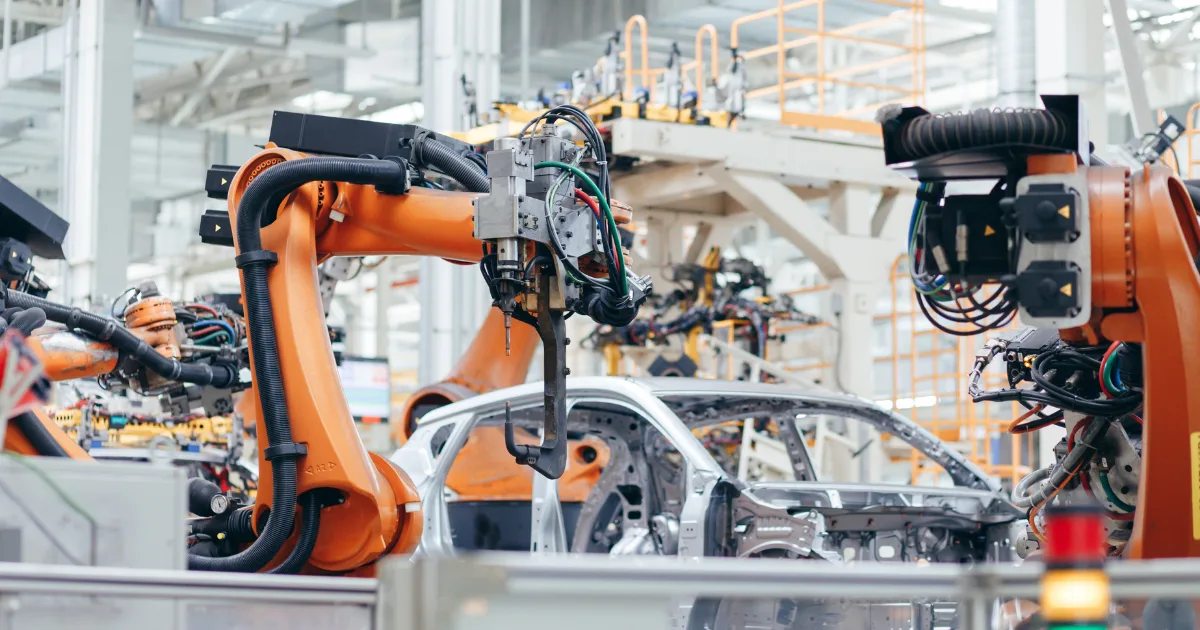
AI Model
Development
From stalled PoC to production-grade accuracyFine-tuning, evaluation and training data — all in one team
AI you built with a vendor or a university — taken all the way to real-world use.
One team handles both your data and your model.

1,000+ training-data projects delivered.
We’ve supported AI development at companies, universities and research institutions — from the data side.



Selected companies and institutions using our training-data (annotation) services
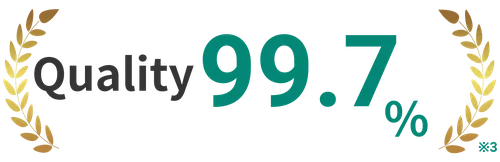

* Projects: cumulative since our launch in 2021. Quality consistency: actual result (yield rate) across all training-data deliveries in 2025.
Is your AI stuck here?
AI often stalls one step short of production.
We close that gap from both sides — data and model.
Why teams choose ANOSUPO
for AI model development
Not just the model, not just the data —
we go all the way to the field with you.
Data and model handled by one team —
fewer round trips
The people who create the ground-truth data also train the model, so iterations are fast and we add data only for the conditions where accuracy drops.
No AI staff in-house?
We join your development team
No in-house AI engineers, or just one? We start from on-site research and work as part of your team.
We agree on judgment criteria
with your site up front
We define what counts as a defect at the start and flag ambiguous data early. 100% inspection keeps judgments consistent.
Our own PMs and annotators —
ready for urgent validation
With a workforce of 1,500+, there’s no recruiting phase. We can staff short validation projects right away.
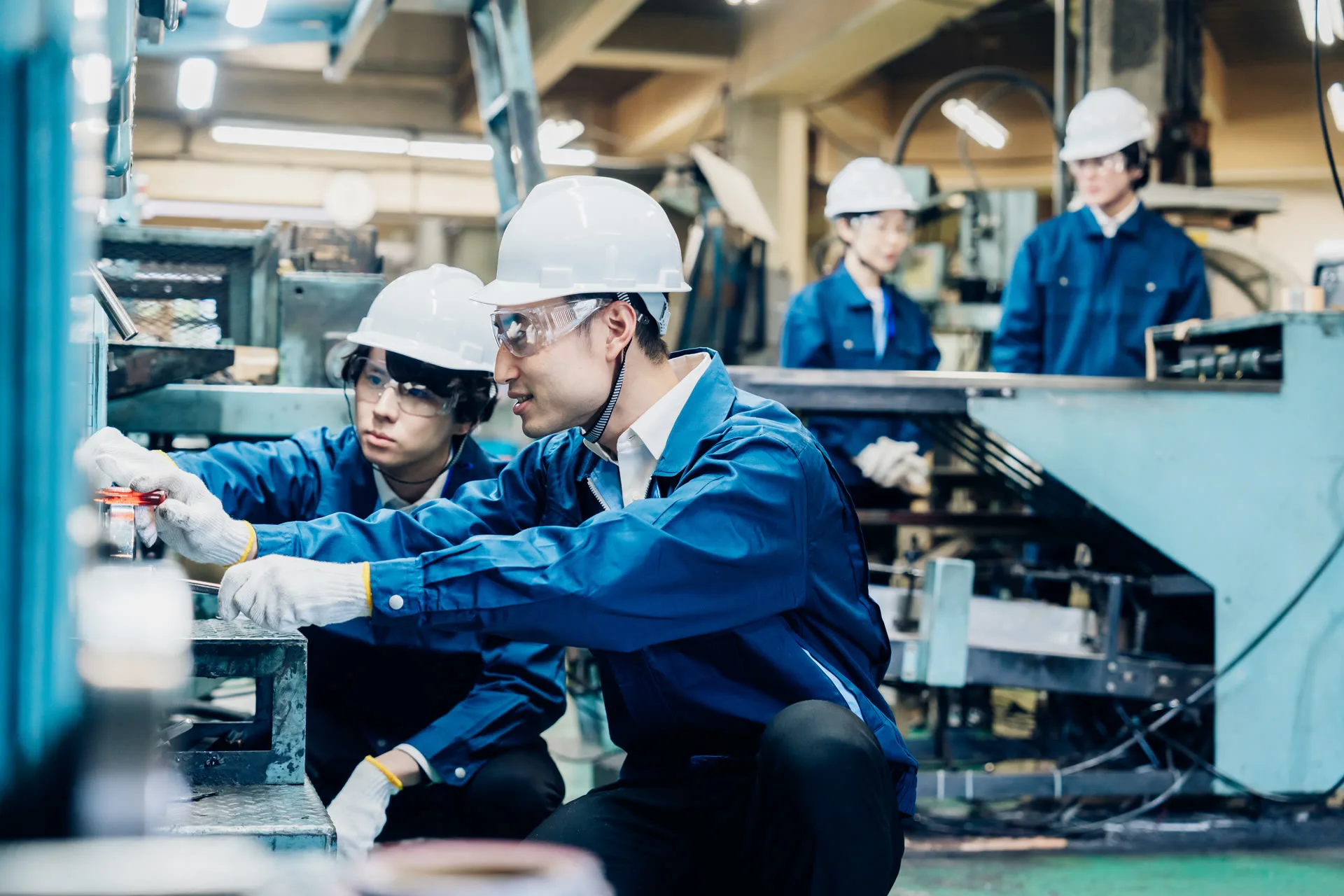
Why doesn’t PoC AI
work in the field?
Because lab data and field data are different.
Lighting, camera angles, variation between objects — the data used in a PoC differs from what flows in on site every day more than you’d expect. Before rebuilding anything, we start by measuring under real operating conditions.
- Keep an evaluation set that matches operationsCollected where the ground truth is certain, and kept fixed.
- Separate over-detection from missesTotals can match simply because the two errors cancel each other out.
- Add data only where it’s missingInstead of adding images blindly, we target the conditions where the model fails.
What you can hand over to us
One piece or all of it —
we start with whatever your team is missing.
If your challenge isDefining the goalYour PoC’s purpose and pass line are still vague
Requirements definition
We work out what the site actually needs detected, the judgment criteria, and how accurate is accurate enough.
If your challenge isAn accuracy gapYour PoC model isn’t accurate enough in the field
Additional training & fine-tuning
We take over your existing model and raise its accuracy under real site conditions.
If your challenge isMismatched metricsReported accuracy doesn’t match how it performs on site
Evaluation design & accuracy assessment
We build evaluation data that matches operations and measure over-detection and misses separately.
If your challenge isNot enough handsEngineers label data on the side and can’t keep up
Training data creation
Bounding boxes, segmentation, keypoints and 3D point clouds — delivered with 100% inspection.
If your challenge isOperations & maintenanceNo one can fix the model when parts or sites change
Retraining after go-live
No rebuild needed — we add data only for the missing conditions and retrain.
If your challenge isChoosing a directionYou can’t tell whether your current model or approach is sound
Second opinion
We review your current model and approach with an outside eye.
How we work
We start by setting the pass line and measuring your current model.
Not build-and-leave — we keep improving it in operation.
Set requirements
We agree with the site on what to detect, what accuracy is good enough and the operating conditions, and review your existing model and data.
Build evaluation data
We create a fixed test set with confirmed ground truth, under the same conditions as operations.
Measure the current model
We score it by condition — night, rain, new parts — to pinpoint its weaknesses.
Train on what’s missing
We create data only for the weak conditions, retrain, and re-measure in STEP 3.
Trial on site
We run it alongside human judgment and confirm it’s right before going live.
Improve in operation
When parts or sites are added, we add data for those conditions and retrain.
STEP 3 and STEP 4 repeat until the model reaches the pass line
Can an annotation company really
handle model development?
Because we create the data,
we can see why accuracy drops.
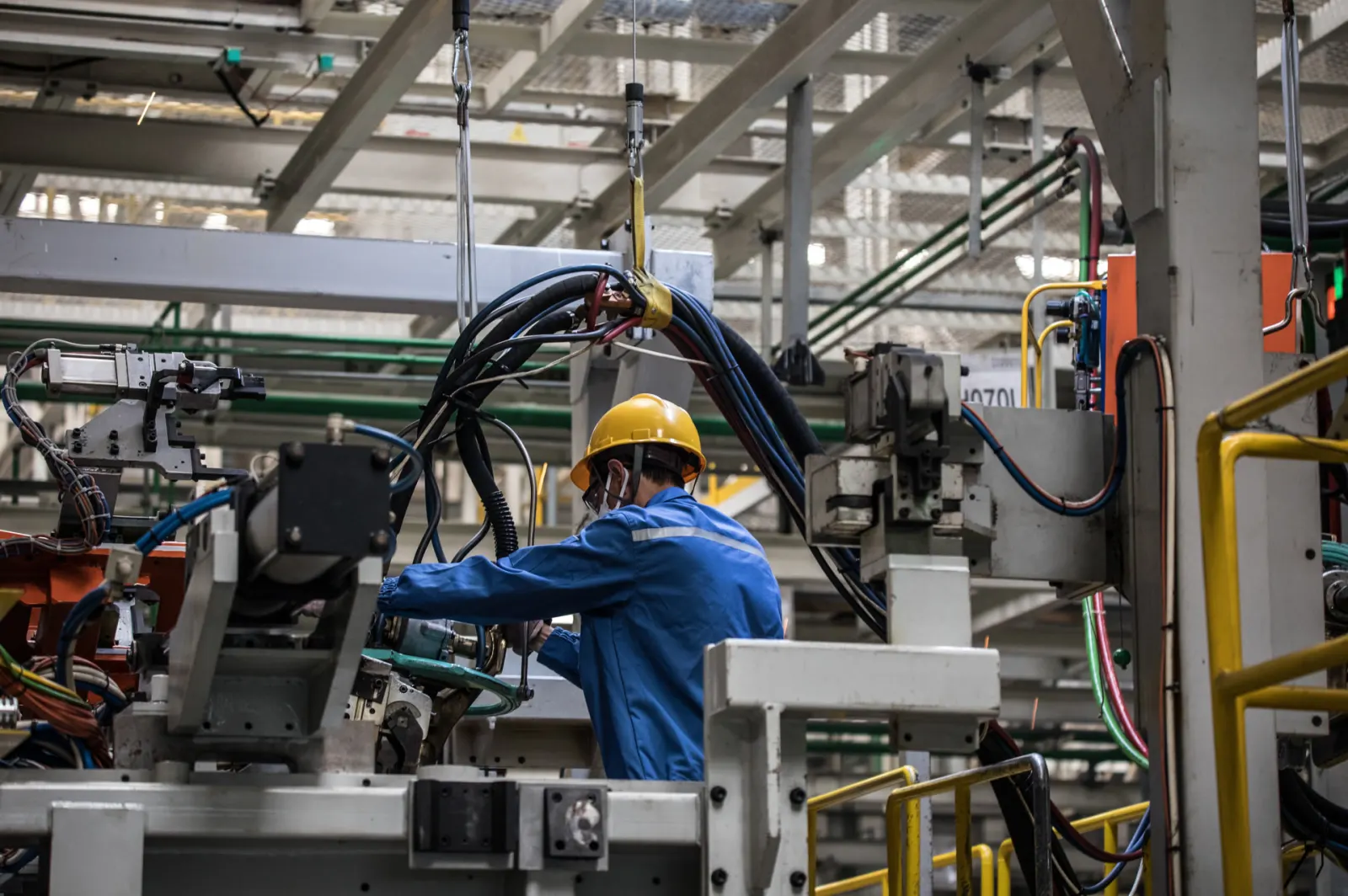
Most accuracy problems start on the data side: inconsistent judgment criteria, evaluation that doesn’t match operations, or not knowing which conditions are missing. A team with 1,000+ training-data projects finds the cause and carries on through training and evaluation.
- One point of contact for data and modelNo slow back-and-forth or gaps in responsibility from splitting vendors.
- Annotation-only work, as alwaysStart with data creation and expand to model development when you need it.
Let’s review your PoC results
and data together
An informal exchange before a quote is welcome.
Feel free to reach out.
Technical consultation
Tell us where your model stands
and we’ll propose a path to the field.
AI model development case study
Detecting the start and end of work processes
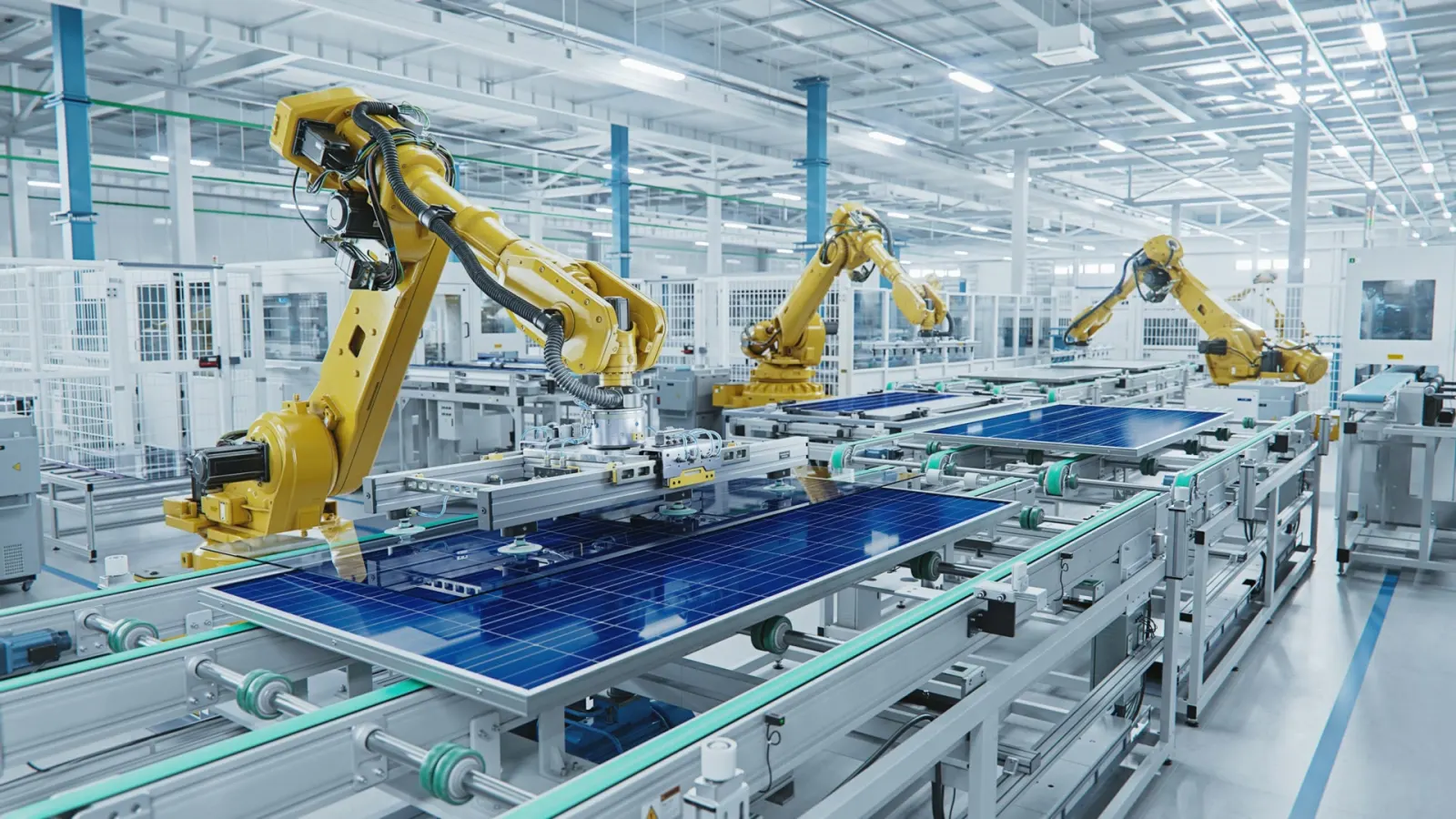
from shipyard camera footage
- Handled everything from model strategy to training data creation and evaluation
- Designed to detect with object detection first, supplementing hard cases with positional information
- Plan to expand the target processes month by month.
A “second pair of eyes” for the field
We add AI on the checking and recording side —
without changing your process.
Rust & coating degradation
Find degraded areas in inspection photos of ships, towers and pipes.

Product & object recognition
Identify specific products or items on store shelves or in logistics sorting.

Rebar, concrete & facades
Rebar inspection and crack detection — retrain as new sites are added.

Point clouds & in-vehicle data
Person detection in LiDAR point clouds and risky-behavior detection in dashcam footage.
How pricing works
AI model development is quoted in person-months (team-based).
Team size and duration depend on where you start.
Requirements definition or a second opinion
We start by clarifying what needs to be detected and whether your current model is enough. Begin small and scale the team as needed.
Additional training of your existing model
From building evaluation data to additional training and retraining after go-live, we assemble a team of engineers and annotators.
We review your PoC results and data and estimate the team and duration for free.
For annotation-only work, see our annotation pricing.
Annotation services
We continue to provide training data creation (annotation) — the foundation of model development. Data-only projects are welcome.
Image & video annotation
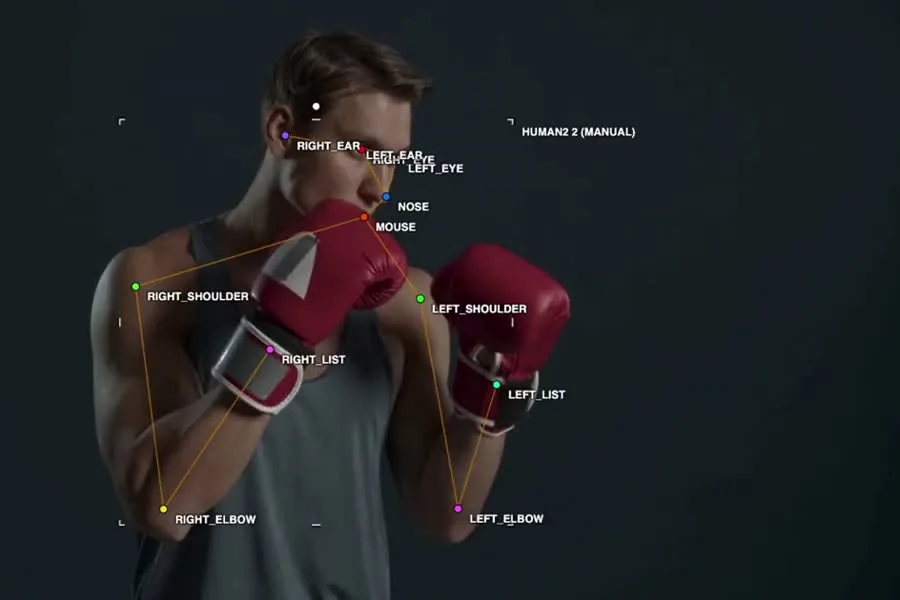
Object detection, segmentation, pose estimation and video tracking — pixel-level ground truth for computer vision.
3D point cloud & LiDAR
3D cuboids, sensor fusion and 3D segmentation — spatial perception for autonomous driving and robotics.
LLM, text & speech
RLHF/DPO preference data, instruction–response pairs (SFT) and LLM evaluation — plus transcription and NLP annotation.
Data collection & preprocessing
From collection and shooting to cleansing, formatting and anonymization — we get your data model-ready from scratch.


Taking AI from the lab to the field.
The sites most short on people expect the most from AI. Yet AI built with vendors or universities often stalls at the PoC report. What’s missing is less the technology itself than someone to keep creating data, measuring and retraining under real site conditions.
As a team with 1,000+ training-data projects, ANOSUPO takes on that role — turning research results into tools used on site every day.
So your engineers can focus on the work that matters.
Enterprise-grade security
As a data partner for cutting-edge AI research, our security is built on ISMS (ISO/IEC 27001).
ISMS certified
Information Security Management System
People & process
- NDAs with 100% of staff
- ISMS (ISO/IEC 27001)-compliant rules
- Only trained, tested staff join
Devices & data
- Strict "no-retention, no-local" policy
- Company / approved devices only
- SSL/TLS-encrypted communication
Ops & response
- Teams separated per project
- Always-on work monitoring
- Loss / leak reported 24/7/365
* We never use your data to train our own AI. All rights to created data stay with you, and we physically delete data under our control after completion, per your instructions.
FAQ
Can you take over a model built by a vendor or a university professor?
How many images do we need for training?
Bounding boxes or segmentation — which should we choose?
Can we start small — even one person’s worth of work?
Do we have to rebuild the model when new parts or sites are added?
Can we still order annotation only?
Guides on AI Model Development
Practical guides on taking PoC AI to production-grade accuracy.
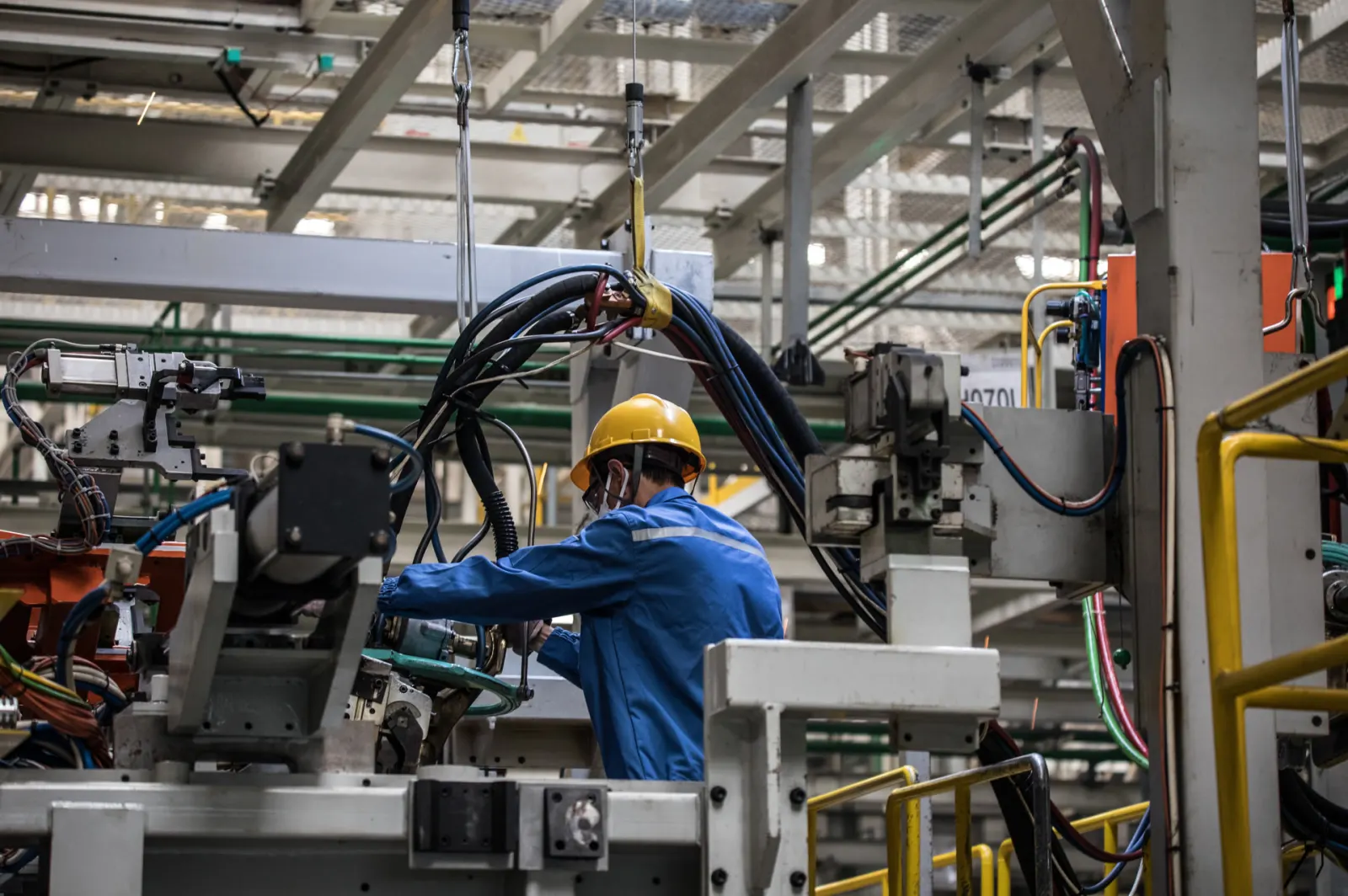 Why AI That Worked in the Lab Fails in the Field, and How to Add Data Site by Site
The AI you built with a university or a vendor showed good accuracy in the PoC. But when you connected it to t […]
 Who Retrains Your AI After the PoC? How to Keep It from Stalling
An AI model you built with a vendor or a university performed well in the PoC. Then, once the contract or the […]
Tell us where your AI stands today
An informal exchange before a quote is welcome.
We’ll review your PoC results and data and map out the path to the field together.
Technical consultation
We review your PoC results and data
and propose next steps.
